
Most people do not give much thought to their drains until something goes wrong. Water stops draining properly, unpleasant smells begin to appear, or a toilet suddenly overflows at the worst possible moment. While many drain blockages are caused by everyday waste buildup, professional drainage companies often discover far more unusual items lurking beneath homes and businesses.
From children’s toys to cooking grease and even tree roots, blocked drains can hide some truly surprising things. Over the years, as drainage specialists across Kent we have encountered all kinds of strange objects causing major plumbing problems.
Here are some of the most common—and most unexpected—things found in blocked drains, along with why they create such serious issues.
Wet Wipes and Hygiene Products
One of the biggest causes of blocked drains is something many people still assume is safe to flush: wet wipes.
Even products labelled as “flushable” often do not break down properly once inside the drainage system. Instead, they collect together and combine with grease, hair, and other debris to create stubborn blockages.
Drainage engineers frequently remove huge masses of wipes from pipes, particularly in busy family homes and commercial properties. Hygiene products such as cotton pads, nappies, sanitary items, and paper towels can cause similar problems because they are designed to absorb moisture rather than dissolve.
These materials may disappear after flushing, but they often remain trapped inside pipes where they gradually create larger obstructions over time.
Cooking Fat, Oil, and Grease
Many homeowners are surprised to learn how damaging cooking grease can be for drains.
When hot oil or fat is poured down the sink, it may initially seem harmless because it flows as a liquid. However, once it cools inside the pipes, it hardens into a thick, sticky substance that traps food particles and debris.
Over time, this buildup can significantly narrow the pipe and eventually block it completely.
Drainage companies often discover:
- Solidified cooking fat
- Butter and oil buildup
- Coffee grounds
- Food scraps
- Greasy sludge deposits
In severe cases, these grease blockages can become extremely difficult to remove without professional high-pressure water jetting equipment.
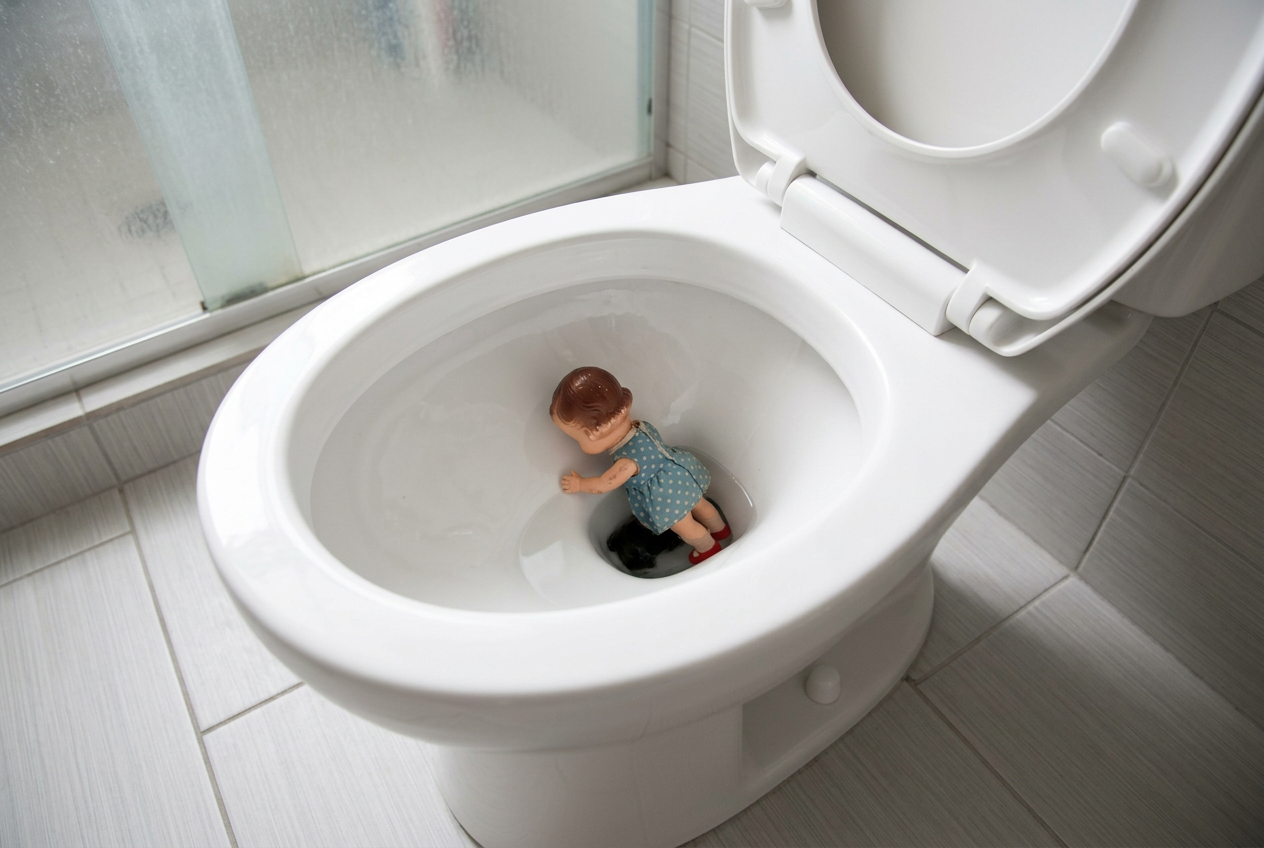
Children’s Toys
Young children are naturally curious, and unfortunately, drains and toilets sometimes become accidental hiding places for toys.
Drain engineers regularly uncover:
- Toy cars
- Building blocks
- Small dolls
- Plastic figures
- Balls
- Dummies
While a single small object may not cause an immediate blockage, it can become lodged in the pipe and collect other debris around it. Eventually, this creates a complete obstruction that prevents water from flowing properly.
Many parents only realise something unusual is stuck in the drain after repeated blockages or drainage backups occur.
Tree Roots
One of the most surprising but common causes of blocked drains actually comes from outside the property.
Tree roots are naturally attracted to moisture and can enter drainage systems through tiny cracks or weak joints in underground pipes. Once inside, the roots continue growing and spreading throughout the drainage system.
Over time, they can:
- Restrict water flow
- Cause recurring blockages
- Crack or collapse pipes
- Lead to serious structural drainage issues
Older properties in Kent are particularly vulnerable to root intrusion because ageing drainage systems may already contain small cracks or weakened sections.
Many homeowners are shocked to discover that a nearby tree can be responsible for repeated drainage problems.
Excessive Hair Build-Up
Hair may seem harmless, but it is one of the most common causes of bathroom drain blockages.
Hair combines easily with soap residue, toothpaste, and grease to form thick clumps inside pipes. Over time, these clumps restrict water flow and create slow-draining sinks, showers, and baths.
Professional drainage engineers often remove surprisingly large amounts of tangled hair buildup from domestic drains. In some cases, the blockage can become so compact that specialist equipment is needed to clear it completely.
Using drain covers and regularly cleaning plugholes can help reduce the problem significantly.
Jewellery and Valuables
It is not uncommon for expensive items to accidentally disappear down the drain.
We have recovered:
- Wedding rings
- Earrings
- Watches
- Necklaces
- Coins
- Keys
In some fortunate cases, valuable items can be retrieved before they travel too far into the drainage system. However, attempting to recover items without professional help can sometimes push them further into the pipes.
This is why we use CCTV drain survey equipment to locate lost objects safely.
Building Materials
During renovations or construction work, drains can sometimes become blocked with unexpected building debris.
Drainage companies often discover:
- Cement
- Plaster
- Paint
- Sand
- Rubble
- Tile adhesive
These materials are particularly damaging because they can harden inside the pipework, creating extremely stubborn blockages that are difficult to remove.
Construction-related drainage issues are common when waste materials are improperly washed down outdoor drains or sinks during renovation projects.
Toothpaste Caps, Cotton Buds, and Small Household Items
Many everyday items accidentally end up down sinks or toilets without homeowners realising the potential damage they can cause.
Drain engineers frequently recover:
- Cotton buds
- Toothpaste caps
- Dental floss
- Razor heads
- Cleaning cloths
Individually, these items may seem small enough to pass through the system, but they often become trapped in bends or joints within the pipework.
Once lodged, they begin collecting additional debris until a full blockage develops.
Fatbergs — The Ultimate Drain Nightmare
Perhaps the most shocking thing found in drains is the infamous “fatberg.”
A fatberg is a huge mass created when grease, fat, wipes, and waste combine inside the sewer system. Some fatbergs discovered in UK sewer networks have weighed several tonnes and stretched for enormous distances underground.
These massive blockages can:
- Cause sewer overflows
- Damage drainage systems
- Create unpleasant odours
- Lead to expensive repairs
While homeowners may never see these giant obstructions directly, smaller versions frequently develop in residential drains.
Fatbergs highlight how important proper waste disposal really is.
Why Professional Drain Maintenance Matters
Many blocked drains begin as small problems that gradually worsen over time. Unfortunately, by the time homeowners notice symptoms such as slow drainage or bad smells, the blockage may already be severe.
Professional drainage companies use specialist equipment such as:
- CCTV drain surveys
- High-pressure water jetting
- Mechanical drain-clearing tools
- Drain tracing equipment
These help identify and remove blockages quickly and safely.
Regular drain maintenance can help prevent major issues before they become expensive emergencies.
Conclusion
Blocked drains can contain far more than most people expect. From children’s toys and cooking grease to tree roots and wedding rings, drainage engineers encounter a surprising range of unusual objects hidden beneath homes and businesses every day.
Many of these blockages are entirely preventable with proper drain care and waste disposal habits. Avoiding the flushing of wipes, disposing of grease correctly, and scheduling regular drain inspections can go a long way toward keeping your drainage system running smoothly.
If you notice slow drainage, unpleasant smells, or recurring blockages, it is always best to act quickly before a small issue turns into a much larger and messier problem.