
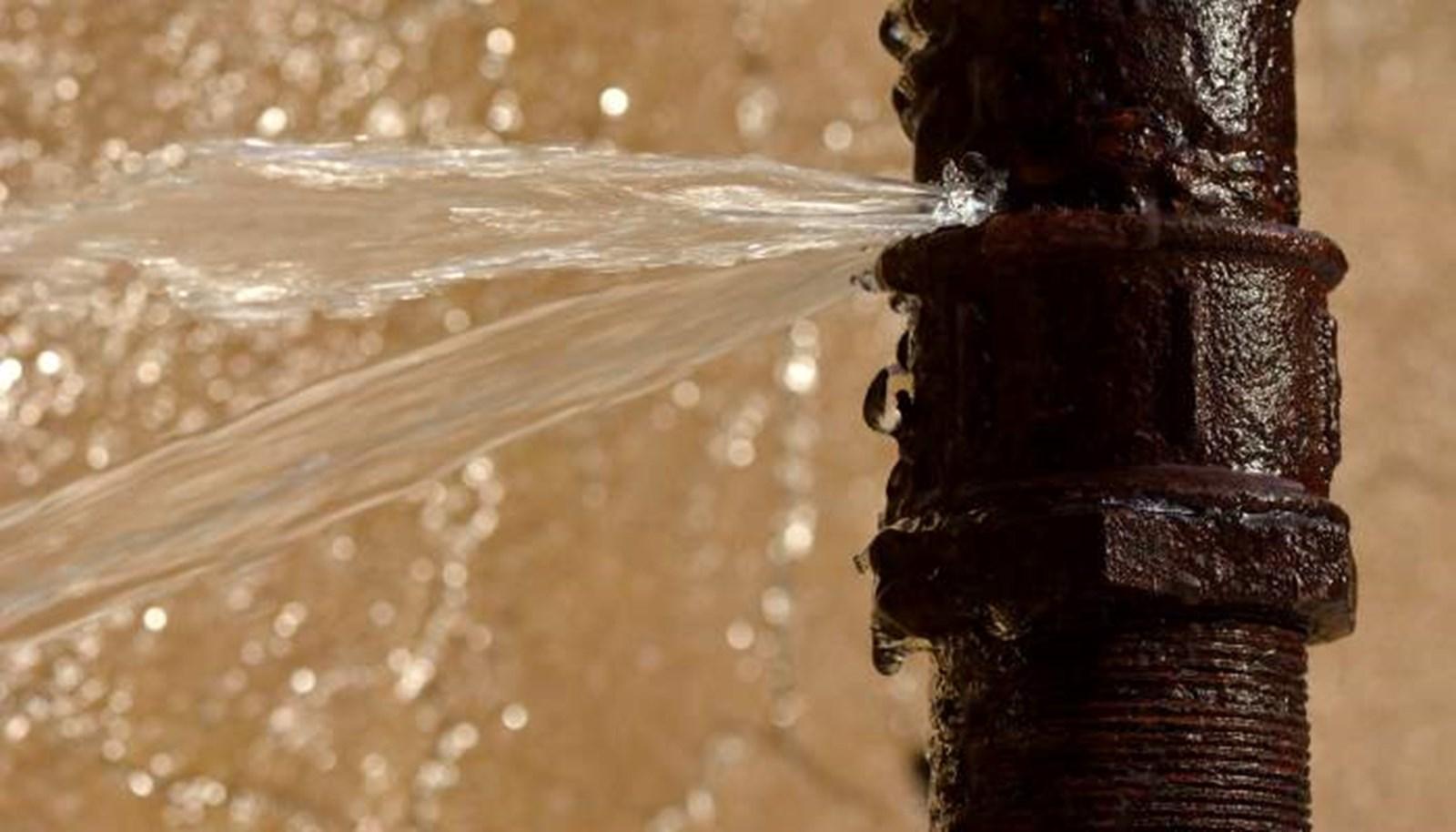
Drain insurance—often sold as plumbing and drainage cover or part of home emergency cover—sounds like a no-brainer. After all, nobody wants to deal with a blocked drain or burst pipe at 2am. But whether it’s actually worth paying for depends on what you already have, your property, and your appetite for risk.
What Drain Insurance Covers
In the UK, “drain insurance” is rarely a standalone product. It’s usually included as an add-on to home insurance policies or bundled into home emergency cover.
Typical cover includes:
- Blocked drains and waste pipes
- Leaking or burst pipes
- Toilet and sink blockages
- Emergency call-outs and labour
- Water supply pipe issues.
The keyword here is “emergency.” Most policies are designed to fix urgent problems quickly—not to maintain your drainage system long-term.
What It Doesn’t Cover
This is the part most homeowners misunderstand.
Drain insurance usually does NOT cover the following:
- General wear and tear
- Slow-building blockages
- Routine maintenance
- Poor workmanship
- Shared drains or public sewers.
In fact, standard home insurance often only covers damage caused by drainage issues, not the problem itself. For example, it may pay for water-damaged flooring—but not the blocked pipe that caused it.
Don’t You Already Have Cover?
In many cases… you partially do.
- Most UK building insurance policies already cover drains within your property boundary
- Anything outside your boundary is usually the water company’s responsibility
- Additional drainage cover is often just an optional extra (£20–£40/year).
So before buying anything, check what your current policy already includes. Many people end up paying twice for similar cover.
When Insurance Can Make Sense
Drain problems aren’t always cheap:
- Emergency plumber call-out: £100+
- Hourly rates: £40–£60
- Major drain repairs: potentially thousands.
Insurance, on the other hand, can cost just a few pounds per month or a small annual add-on.
When Drain Insurance Is Worth It
There are situations where it makes strong financial sense:
1. Older properties
If your home has ageing pipework or unknown drainage issues, the risk of failure is much higher.
2. No trusted tradespeople
Emergency cover gives you instant access to vetted professionals without scrambling to find help.
3. Low savings buffer
If a £500–£2,000 repair would be a problem, insurance provides peace of mind.
4. Landlords
Quick repairs = happier tenants and less damage escalation.
When It’s Probably Not Worth It
In other cases, it’s hard to justify:
1. Newer homes
Modern plumbing systems are far less likely to fail.
2. You already have good cover
Many policies already include drainage or emergency assistance.
3. You can self-insure
Setting aside a small emergency fund can be more flexible than paying ongoing premiums.
Some industry opinions even argue that for many homeowners, premiums and exclusions outweigh the benefits, especially given how rarely major drainage failures occur.
The Hidden Factor: Convenience
One of the biggest benefits isn’t financial—it’s speed and stress reduction.
With cover, you typically get:
- 24/7 helpline
- Fast call-outs
- Approved contractors
- No need to compare quotes.
That convenience can be invaluable in an emergency, especially outside normal working hours.
The Verdict: Is It Worth It?
Drain insurance in the UK is not essential, but it can be worthwhile in the right circumstances.
- If your home is older, your finances are tight, or you want peace of mind, it’s often worth it
- If your property is modern, you already have coverage, or you’re comfortable handling repairs, it probably is not.
Conclusion
The biggest mistake homeowners make is assuming they’re either fully covered or not covered at all. The reality usually sits somewhere in between.
Before buying drain insurance:
- Check your existing home insurance policy
- Understand exactly what’s included and excluded
- Compare the annual cost vs potential repair bills.
In many cases, the important issue isn’t deciding to buy coverage; it’s making sure you actually need it.