
Buying a house means checking a lot of things: the roof, the walls, the damp, the wiring. The drains are easy to forget because they’re buried out of sight. But a drainage problem can be expensive to fix, and it’s often something you only find out about after you’ve moved in. A drain survey can help you avoid that.
What is a drain survey?
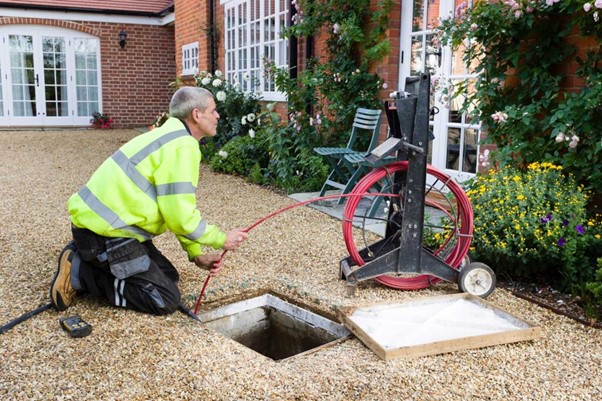
A drain survey is a check of the pipes that carry waste water and rainwater away from a property. The most common type is a CCTV survey. A small camera on a flexible rod is fed into the drains, and it records what it finds as it goes. The engineer can see cracks, blockages, tree roots, collapsed sections and other faults without digging anything up.
After the survey, you usually get a written report with video footage and notes on any problems, along with recommendations for repair.
Is a drain survey a legal requirement?
No. There is no law that says you must have a drain survey when buying a house. It is your choice. Mortgage lenders don’t normally ask for one either.
Most homebuyer surveys and building surveys only look at what can be seen above ground. A surveyor may lift a manhole cover and note if water is flowing, but they won’t check the condition of the pipes underground. They may recommend a specialist drain survey if they spot something that worries them.
Why a drain survey is worth considering
Drain repairs can be expensive
A small repair, such as a patch to a cracked pipe, may be fairly affordable. A collapsed drain that needs digging up can cost thousands. Finding out before you buy means you know what you’re taking on.
Problems are hidden
Drains can be damaged for years without any obvious signs. Cracks, tree root damage and slow leaks can sit unnoticed. A survey shows you what the seller may not even know about.
It gives you bargaining power
If the survey finds a fault, you can ask the seller to fix it, reduce the price or contribute to the cost. In some cases, it may help you decide to walk away from the purchase.
It gives you peace of mind
Even if the report is clean, you can move in knowing your drains are in good condition.
When a drain survey is most useful
A survey is a good idea for any purchase, but it is especially worth doing in these situations:
- Older properties. Older homes may have clay pipes that crack or shift over time. Some have pipework that is more than a hundred years old.
- Houses with large trees nearby. Roots can enter small cracks in a pipe and grow, causing blockages and damage.
- Properties with signs of past problems. Damp patches in the garden, sunken areas, cracked paving or bad smells can all point to a drain fault.
- Homes near the coast. Ground movement and ageing pipework can be an issue in some seaside areas.
- Properties with extensions or conversions. Building over or near drains can damage them or block access. Extensions sometimes involve drains being rerouted, and it’s worth checking that this was done properly.
- Properties on a private drainage system. If the home has a septic tank, cesspit or private treatment plant, a specialist check is especially important.
- Slow-draining sinks, gurgling pipes or smells. If you notice any of these when viewing the house, ask questions.
- Empty or long-neglected properties. If a house has been empty for a while, the drains may not have been used or maintained.
What a drain survey can find
- Cracked or broken pipes
- Collapsed sections
- Blockages
- Tree roots growing into the pipe
- Pipes that have shifted or become misaligned
- Poor repairs or badly fitted connections
- Signs of rats entering through damaged pipes
- Build-up of fat, scale or debris
- Incorrect connections, such as wastewater linked to a surface water drain
How much does a drain survey cost?
Prices vary depending on the size of the property, the length of the drains and how easy they are to reach. A basic CCTV survey for a typical house is usually far cheaper than the cost of a major repair. It is worth getting a couple of quotes, and checking what is included, such as a written report, video footage and any follow-up advice.
Who pays for the survey?
The buyer usually pays. It’s possible to ask the seller to share the cost, but they don’t have to agree. If the survey finds a significant problem, you can use the report to renegotiate.
When should you arrange it?
The best time is after your offer has been accepted and before you exchange contracts. Once you’ve exchanged, you are legally committed to buying, so any problems found afterwards become yours.
Tell your solicitor and the estate agent you want a drain survey so access can be arranged. The seller needs to agree to it, and the engineer needs to be able to get to the manholes and drains.
Who is responsible for which drains?
Understanding who owns what can matter when a problem is found.
- Private drains run within the boundary of your property, and the homeowner is generally responsible for them.
- Shared drains or lateral drains serve more than one property, and responsibility may sit with the water company in many cases.
- Public sewers are generally the responsibility of the water company.
Rules can be complicated, and ownership depends on the layout of the property and when it was built. A good drainage company can help explain who is responsible for what on your survey report.
What happens if the survey finds a problem?
Don’t panic. Many faults are repairable, and not every fault means a big bill. Your options usually include:
- Ask the seller to repair it before you complete.
- Negotiate a lower price to cover the cost of repairs.
- Get quotes from drainage specialists so you know the real cost.
- Walk away if the problem is serious or the seller won’t discuss it.
- Proceed with the purchase knowing exactly what you’re dealing with.
Modern repair methods, such as patch lining and full relining, can often fix damaged drains without digging up the whole garden.
Questions to ask a drainage company
- Is the survey carried out with a CCTV camera?
- Will I get a written report and video footage?
- Does the report include recommendations and estimated repair costs?
- How quickly can you do the survey?
- Are your engineers qualified and insured?
- Can you explain the findings in plain language?
Worth the Cost
A drain survey isn’t compulsory, but it is a sensible check when you’re buying a home. It costs a small amount compared to the price of the house and can save you from a big, unexpected bill. If you’re thinking about buying a property, particularly an older one, or one with trees, extensions or any warning signs, it’s worth having the drains checked before you commit.
Need a drain survey before you buy? Get in touch with us for a clear, honest report and a fair quote.